

Comhlacht agus Cleachtas Boscaí Insilte Foldable i gCuir Foirgnimh faoi Rialacháin Nua do Shlabhra Fuair Pharma
Tá an iarracht domhanda vascáine a chur ar chumas ag méadú ar an scrúdú a dhéantar ar an gcainneachán teocht leighis. Agus atárialacha nua, go háirithe do shlándáil agus éifeachtúlacht na ndróg, ag teacht i bhfeidhm ar fud an domhain, tá gach comhbhunadh den chainne soláthair á mheas go dona. Donaibh atá freagrach as cabhrú le vascáin íditheacha teochta a sholáthar—go háirithe i míreanna deiridh nó i ndáileadh neamhidirdheastacléite—níl an pacáisteacht níos mó ach coimeádán amháin; is cuid ríthábhachtach í den infrastruchtúr chomhlíona. Tá an tionscal ag bogadh ó ghlasáin traidisiúnta trom go réitigh níos mó reathaí agus níos éifeachtaí. I measc iad sin, tá an bos sclábhadhach inslithe san áireacht. Tá an dearadh nuálach seo á glacadh go tapa, ní hamháin as a éifeachtúlacht oibre ach freisin as a chumas dúthrócaireach cothrom a dhéanamh le caighdeáin na sraithe teasa fharmaiceachtaí amaontaithe. D'fhéachann an t-alt seo ar an mbealach a bhfuil na dearbhacha sin ag teacht i gcomparáid le rialacháin reatha agus iad á cur in iúl mar rogha praiticiúil, oiriúnach do oibríochtaí atá comhdhúil.
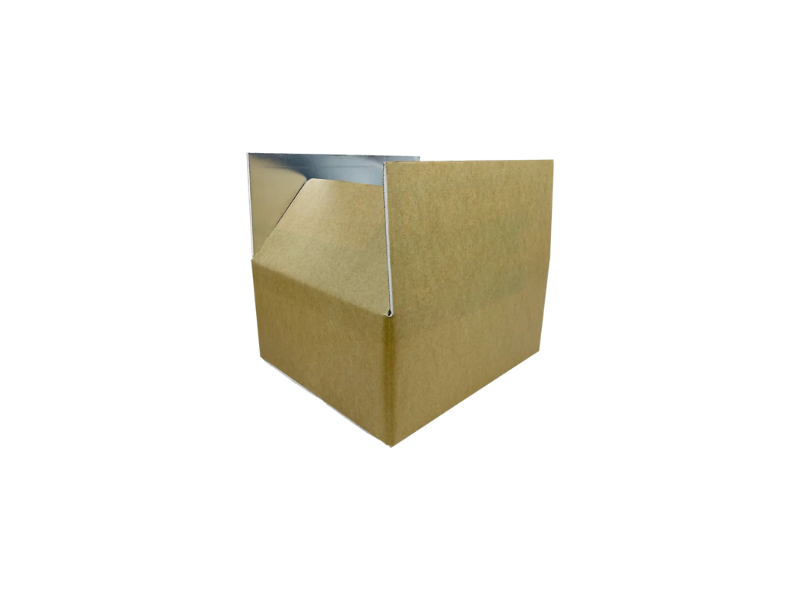
Tuiscint an Chréimfear Rialúcháin Nua: Gnéithe Riachtanacha
Tógthar rialacháin nua-aimseartha don slabhra fuar fharmaiceachta, a bhfuil an tAOS agus údaráis sláinte náisiúnta i bhfad leis, ar bhagairtí earráidte: coscailt teasa bailíoch, traceáilteacht agus doiciméadú iomlán, laghdú ar riosca gníomhach, agus comhghuaillitheacht timpeallach. Caithfidh an bainisteáil teasa a choinneáil go soiléir i raon teasa sonraí (mar shampla, 2-8°C) le haghaidh tréimhse bailíoch faoi chondais timpeallach ba mhaith leo. Ní mór doiciméid, lena n-áirítear sonraí ó logálóirí teasa, a bheith gan earráid. Go ginearálta, éilíonn na rialacháin anois freisin laghdú ar churacláin bainistiú pacaíochta amháin agus tacú le cleachtais comhshlatúla sa slabhra soláthair. Caithfidh aon réiteach bainisteála atá ceaptha do'n spás seo a dhearadh ón tosú chun na riachtanais ilphractaiche seo a sheachaint.
Conas a Réiteoidh Boscaí Foircible Te-inslithe Comhlíonadh Go Díreach
B’fhéidir go mbreathnaíonn an téarma "fliuchthánach" ar dtús mar chosc ar an dídeanacht láidir a éilítear do vacsain. Áfach, cuireann innealtóireacht na linne seo an gné sin in ionad tairbhe mhór. Seo conas a chomhlíonann na boscaí seo riachtanais rialúcháin áirithe:
Feidhmniú Teormail Bailíochtaithe: Tá héifeachtúlacht insilíoch bosca ardchaighdeáin bos sclábhadhach inslithe dheartha ar bhunús a chuir acmhainní iolracha comhdhéanta. Áiríonn sé seo de ghnáth ballaí criospa fásta neamhshuas le haigéin, línteáin insilíoch le luachanna ard R (mar shampla EPS nó painil VIP), agus bacáinín íochtaracha taobh istigh. Dearann déantóirí creidmhiúla na córais seo agus bailíochtíonn siad i gcoinne próifílí ama-teocht áirithe. Léiríonn an aonformacht innealtóireachta seo feidhmniú cothrom ar fad thar gach aonad—a fhachtóir ríthábhachtach do chlisteas athdhéanta, ar dhifríocht ón éagsúlacht a fhaightear go minic i mbacáil atá déanta ar an scéimh.
Míosú Idirbhearta i bhFabhar: Tugann an dearbh, idirnasctha dearadh nuair a chuirtear i bhfeidhm laghdú ar an bpairc de theip le linn láimhseála. Ina theannta sin, is féidir tosaíocht a dhéanamh do phacaíocht shábháilte agus éifeachtach ó thaobh spás de i mbogsaí iompair, ag laghdú ar athrú an luchtáin agus ar an bpócaillt do bhreathanna aer fhuar. Laghdaíonn an dearadh foldálta féin ceann de na baolacha loighistíocha móra: stóráil nó caithniús neamhchuí de choinnteán draibhe. Trí sciorrthacht a dhéanamh go díreach, cuireann na boscaí seo ar ceal an bac agus na baol a thugann coiltheáin draibhe mór-mhéideacha ar nós an in ionad faoi shruth, ag cur béime ar thimpeallacht shábháilte agus níos earrachtaí—gné a gortaíonn rialú oibre go minic.
Faisnéisitheacht agus Láimhseáil Forleoraithe: Is féidir leipreachaí na gclúdachán neamhchruiteáilte a lipréabhláil go héasca le faisnéis thábhachtach: cineál vacsaín, cinniúint agus treoracha um láimhseáil. Cabhraíonn a bhformáid cothrom freisin leis na córais scanála barcóid nó RFID chun iniúchadh agus rianú ar an gcainnleabhar a dhéanamh. I bprais, is féidir le foireann sláinte iad a chruitheadh go tapa le traenáil íseal, ag cinntiú ullmhú ceart gach uair agus ag laghdú mór ar an bpóinteacht do earráid dhaoine.
Practabharrú a Athrú: Saineollaimh Oibre agus Comhshaoil
Níl comhlíonadh fíor faoi bhunaíocht práiseála inbhuanaithe agus éifeachtach, ní hamháin faoi bhfreastal ar bhoscaí. Seo áit a sholáthraíonn an dearadh sclábhta sochair ghinearálta i dtacaíocht saoil fíor.
Stóráil agus Loighistí a Réabhlú: Is é an tionchar is déanaí ná sábháilteacht spásacha. Is féidir le cliantachas stóráil céadta bosca ar fhadbhriseadh sa spás a bhí uainn roimhe seo do dhúscin bosca crua, ag athrú bainistíocht iniúchaine. Maidir le loighilticí ina ais nó le cur chuig an gcliant ar ais, is féidir le bosca briste méid iompair a laghdú faoi 80%, ag laghdú ar chostais agus ar chóras charbón—ag tacú go díreach leis na rialacháin atá ann cheana chun slabhra soláthair níos glaise.
Achin Aghaidhstoir agus Laghdú ar Charpat: Tá gach bosca mar an gcéanna, ag cur deireadh le hathróga feidhmíochta—aon chúlra den phractabhailt oiriúnach. Thairis sin, cuireann bosca láidir, is umhla iolrach bos sclábhadhach inslithe cuireann sé in áit céadta fuaróg amháin-úsáide, ag laghdú go gníomhach ar charpat mhíleata. Má théann comhlacht le soláthraí cosúil le Zhuoyue, a bhfuil teastas FSC agus á úsáid ábhar ROHS-complyant aige, cinntítear go mbaineann an prionsabal seo le spriocanna comhshaoil ón tosach.
Ag Cur Chun Cinn Scléalaíocht agus Réidh Réiteach: Tá sé ríthábhachtach bainistiú a dhéanamh ar phacaíocht bhféideartha go tapa le linn champaighníochtaí vacsaín mhóra. Ligeann stóráil thacaitheach boscaí atá in ann slocadh ar ais go héasca ar mheabhrán slándála dearftha a choinneáil ar fáil gan spás sóithre rómhór. Ligeann a n-asmhalú simplí do dhuine an oibriú go néallaibh gan teastáil ó amhairc logúla speisialta.
An Comhlacht Ríthábhachtach: Ó Dhearadh go dtí Fíorú
Ní gníomh dhéanta-faoin-dealbha é comhlíonadh fíor a bhaint amach. Teastaíonn comhoibriú ó sholáthraí pacaíochta a tuigeann an eolaíocht atá taobh istigh den insilíniú agus na forlacha géarchéimeacha rialachán pharmaiceach. Soláthraíonn speisialtóir fíor níos mó ná monaróireacht bhunúsach.
Baineann fhoireann dearadh proifisiúnta páirt i bpróiseas comhairleach. Breathnaíonn siad ar phróifíl teasa áirithe an vascáin, ar thréimhse aistriú uasta réitithe, ar dúshláin aimsire agus ar na fíricí lárnacha i gcomhdháilí dáileadh agus ag pointí úsáide. Ansin, díreann siad réiteach saincheaptha – roghnú ranga bord cruinn, ábhar insilíochta agus dearadh struchtúrtha – agus féadfaidh siad smacht a dhéanamh nó treorú a sholáthar ar an bpróiseas oifigiúil bailióidte teas a ghiniúint ar na sonraí atá de dhíth do cháiníocháil choimiúil.
Rialú ó thús go deireadh, ó ábhar maisiúil teastáilte go dtí táirgeadh cruinn, a chinntíonn conspóid idir lóic. Is é seo traceáilteacht laistigh den phróiseas táirgeacháin nath bunúsach de shlonnitheoireacht cháiliúil, cáiníocháil choimiúil.
Conclúid: Réiteach Amach Ar Aghaidh do Chruinne Rialaithe
Teastaíonn réitigh amach ar aghaidh chun an créatúr nua snáithe fhuar fharmaiceach a ionramháil. An bos sclábhadhach inslithe ionann é agus comhtháthú imní, feidhmíochta agus fánachta. Deartha go díograiseach é chun cosaint teasa bailí a sholáthar a chomhlíonann caighdeáin gairmiúla, agus leis an ndearadh ciallmhar aige, athraíonn sé loighic - spás a sábháil, míochan a laghdú, costais a ísliú, agus láimhseáil sláintiúil a fhacalú.
I bhfocail eile, ardúchán a dhéanann sé ar phacaíocht iompair vaccain ó mhíre bheag idirghabhálaithe amháin go cóimheasa córas gníomhach, oiriúnach agus atá in ann athúsáid a bheith air. D’oifigí a bhfuil sprioc acu a gcuid oibre sraithe fuar a chosaint don todhchaí i gcoinne rialachán ag athrú, is mó ná rogha oibre reatúil a bheith ag glacadh leis an modhaill insilte foladh i bpáirt le déantúsóir in ann agus teastáilte a bheith air; is céim straitéiseach i dtreo comhlíonadh láidir, soiléir agus fánach é.