

A előkészített ételek népszerűségének hátterében: Hogyan biztosítják a hajtható hidegláncos kartonládák, hogy az étel a gyártól az asztaláig eljusson?
Képzelje el azt az étteremminőségű ételt, amelyet az ajtajához szállítanak. Hogyan érkezik meg olyan frissen, hűtve és biztonságosan? A válasz több ennél: nemcsak kiváló receptekre és okos marketingre van szükség. Ezt egy csendes logisztikai forradalom teszi lehetővé, amelyet egy gyakran figyelmen kívül hagyott innováció hajt. Ez az innováció a hajtogatható hűtöttláncos karton doboz . Messze nem hétköznapi dologról van szó: ez egy precízen tervezett edény, amely az élelmiszer-biztonságot, minőséget és ízt védve kíséri végig az utat a kereskedelmi konyhától az Ön asztaláig. Nézzük meg, hogyan működik ez a kulcsfontosságú elem.
A Hűtöttlánc Kihívása: Több, Mint Egyszerű Hűtés
Az előkészített ételek szállítása egy zavartalan, folyamatos „hideg láncot” igényel – egy folyamatos hűtött gyártási, tárolási és disztribúciós sorozatot. A cél szigorú: az ételt szűk hőmérséklet-tartományban (általában 0–4 °C) kell tartani a baktériumok növekedésének megelőzése, valamint az íz és állag megőrzése érdekében. A lánc egyetlen megszakadása, egy „hőmérsékleti eltérés” is tönkretehet mindent. A hagyományos megoldások, például az egyszer használatos habkőből készült hűtőládák gyakran nem elegendőek – lehetnek nagy méretűek, hatástalanok és megbízhatatlanok. Ezt az űrt tölti be az intelligens, modern csomagolástervezés, amely kritikus megoldást jelent a vállalkozás fenntarthatósága és a fogyasztói biztonság szempontjából egyaránt.
Ragyogó tervezés: három erő, hőszigetelés és hatékonyság egységében
Nagy teljesítményű hajtogatható hűtöttláncos karton doboz a praktikus mérnöki tudás remekműve. A tervezés komplex megközelítésével kezeli a logisztikai alapkérdéseket:
Erős Védelem: Magas minőségű, nedvességre ellenálló hullámpapírból készült, így kiválóan ellenáll az ütközéseknek a szállítás során. Szerkezete úgy lett kialakítva, hogy súlyt bírjon el, így a kézbesítő autóban vagy raktárban egymásra halmozva is biztonságos és stabil marad.
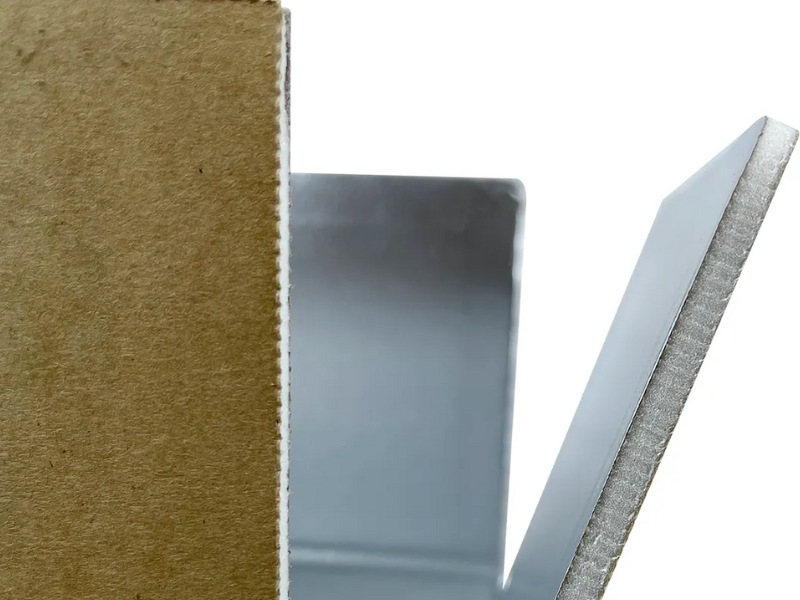
Beépített hőszigetelés: A valódi innováció a falak belsejében rejlik. Ezek a dobozok hőszigetelő anyagokat – például többrétegű hőálló béleletet vagy újrahasznosított szövetből készült akadályrétegeket – építenek be a karton szerkezetbe. Ez egy belső mikroklímát hoz létre, amely jelentősen lelassítja a hőátadást, és hosszabb ideig, gyakran 24-48 órán keresztül alacsony, biztonságos hőmérsékletet tart fenn, ami ideális a házhozszállítás utolsó szakaszához.
A forradalmi hajtás: Ezek a dobozok, ellentétben a merev tartályokkal, precíziós hajtásokkal és zárómechanizmusokkal rendelkeznek. Használat után másodpercek alatt laposra összeomlanak. Ez az egyszerű funkció egy jelentős logisztikai problémát old meg: az üres dobozok akár 80%-kal kevesebb tároló- és szállítóteret igényelnek. Könnyebben kezelhetők a sofőrök számára, és hatékonyabban vihetők vissza az elosztóközpontokba, így összességében rugalmasabb és költséghatékonyabb rendszert eredményezve.
A biztonság és frissesség biztosítása az előállítástól a kézbesítésig
Hogyan védje meg közvetlenül e dizájn az Ön ételét? Kövessük az útvonalat:
A gyárban: Az ételeket főzik, gyorsan lehűtik, majd azonnal lezárják őket előre összeszerelt hideglánc-dobozokba. A doboz már ettől a pillanattól kezdve elsődleges védőburkot képez.
Szállítás a hubok felé: A dobozokat palettákra helyezik, majd hűtött kamionokba rakodják. Egységes, egymásra rakható kialakításuk maximális térkihasználást tesz lehetővé, csökkentve a szállítási költségeket. Az integrált hőszigetelés kritikus biztonsági pufferként működik a jármű hűtőrendszerének esetleges kisebb ingadozásai ellen.
Az utolsó mérföld központjában: A rendeléseket egyedi szállítási útvonalakhoz állítják össze. Itt igazán kiváló a doboz hatékony kezelhetősége. A dolgozók könnyedén tudják kezelni, és a megbízható hőszigetelés bőséges biztonsági időtartamot biztosít a szállító járművekbe történő betöltéskor, amelyek nem feltétlenül rendelkeznek azonos hűtéssel, mint a nagyobb teherautók.
Az utolsó szakasz az ajtóig: A doboz saját kis hűtőegységként működik. Védi az ételt a környezeti hőtől a végső szállítás során, így biztosítva, hogy az Ön által kapott étel olyan friss és biztonságos legyen, mint amikor becsomagolták.
A fenntarthatóság és az üzemeltetési hatékonyság előmozdítása
A előre elkészített ételek iránti növekvő kereslet jogos aggályokat vet fel a csomagolási hulladékkal kapcsolatban. A hajtogatható hűtöttláncos karton doboz meggyőző megoldást kínál. Mivel főként kartonból készül, széles körben újrahasznosítható. A vezető gyártók FSC-szabványnak megfelelő anyagokból indulnak ki, és élelmiszerekhez biztonságos, ROHS-szabványnak megfelelő festékeket és ragasztókat használnak, így kezdeti szinten csökkentik az ökológiai lábnyomot. Tartósságuk támogatja többszöri újrahasználatukat zárt rendszerekben (például ételkészlet-visszaküldések esetén), míg hajtható tervezésük jelentősen csökkenti a tárolók üresen történő visszaszállítása során keletkező szén-dioxid-kibocsátást az ellátási lánc mentén.
A vállalkozások számára ez az hatékonyság döntő fontosságú. A helymegtakarítás alacsonyabb tárolási és szállítási költségeket jelent. A megbízható csomagolás minimálisra csökkenti az élelmiszer-elromlást és az ügyfélelégéseket. Egy olyan csomagolási szakértővel való együttműködés, amely integrált tervezést kínál – figyelembe véve a terméket, a szállítási útvonalakat és a hideglánc-igényeket – egységes megoldást biztosít, nem csupán általános dobozt.
A szakosodott csomagolópartnerek kritikus szerepe
Egy erős, hőszigetelt és hatékonyan hajtható doboz tervezése összetett feladat. Ehhez olyan partnerre van szükség, akinek mély szakértelme van a szerkezeti kialakításban és az anyagtudományban. Egy igazi szakember megoldásokat tervez, nem csupán dobozokat nyomtat. A tapasztalt vállalatok szakmai tervezőcsapatokat foglalkoztatnak, amelyek elemzik az összes tényezőt: az étel nedvességtartalmát, a szükséges hűtési időtartamot, a nyári furgonhőmérsékleteket, valamint a csomagolók és sofőrök ergonómiáját. Ez a komplex megközelítés eredményezi azt a hajtogatható hűtöttláncos karton doboz amely a termék sikerének központi eleme, nem pedig másodlagos gondolat.
Következtetés: A modern kényelem csendes őre
Legközelebb, amikor élvezi a kényelmes, magas minőségű fogyasztásra kész ételt, gondoljon el az útjára. Az hajtogatható hűtöttláncos karton doboz a csendes őrzője ennek az útnak. Ez a tökéletes szintézist jelenti az élelmiszer-tudomány, a logisztikai innováció és a fenntartható tervezés terén. Az állandó hőmérséklet-szabályozás biztosításával, a működési hatékonyság elősegítésével és a környezeti terhelés csökkentésével ez az intelligens csomagolás nem csupán szállítja az élelmet – hanem védi az egész frissességet, biztonságot és kényelmet jelentő ígéretet, amely meghatározza a modern étkezés forradalmát. Ez az alapvető oka annak, hogy a gyári frissesség megbízhatóan megérkezzen az ön ajtajához.