

How We Reduced Our Customers' Shipping Damage Rate by 30% Through Optimized Carton Design
In logistics and e-commerce, there are many risks in the supply chain of getting the product from the shelf of the warehouse to the front porch of the customer. There are drops, there are stacks, there are vibrations, and there are humidity shifts. All run the risk of creating a perfect order, and, instead, creating a letdown. For many years, a lot of companies accepted a percentage of damage during shipping as a part of the business. It was a hit to the bottom line insured profits, but it was a line item that was written off with no second thought. Moreover, a shipping damage perspective has been proven to shift. Damage is not a component or an inevitability in the business. It is a problem that can be solved, and the solution is often not in the products, but in the primary line of defense. It is in the shipping boxes. A scientific and strategic approach to design and selection of cartons is essential. The success story was not about one magic trick. Rather it was about a method that was more than just providing a simple box to an engineering design of a protective system specifically designed to the life of the product. This investigation outlines the guiding paradox of the packaging sector that goes form a cost burden to a respected asset within the organization. This paradox is the true protection of the customer and the respest of the brand.
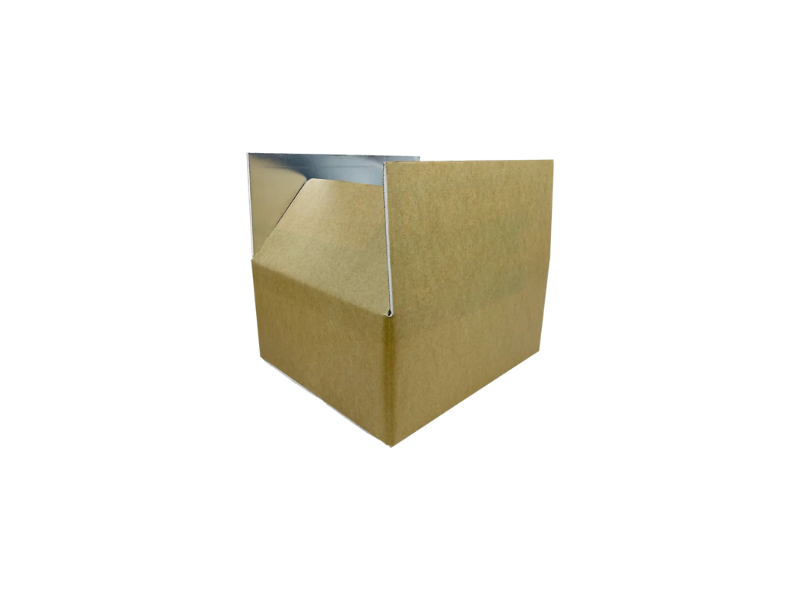
Moving Away from a One Size Fits All Solution
In order to drastically reduce damages, we need to change how we view packaging first. For years, a box was seen as a commodity item; the lowest price for the right sized box was the most important. For packaging as an industry, this leads to mismatch; an item is crammed into a box that is too large and allows the contents to shift, or the box is too weak for the contents and fails mid transit. Unfortunately, this is still a standard approach, and at the start of a packaging optimization process, the customized box is built under this flawed paradigm. Instead, a forensic approach is needed. An analyst will take the product and scrutinize every detail. How heavy is it? What are its dimensions? Where is the center of the mass? What points are most fragile? Once this is done, the distribution path is analyzed to determine how many hands it will change, what transportation methods will be used, how the item will be stored, and how quickly it will need to be accessed. All of this is used to build a packaging design blueprint. For example, a customer who is a distributor of highly fragile glassware will have fundamentally different needs from a customer whose product is heavy and dense automotive parts.
When treating each carton like a custom supply insyead of one option out of a bulk supply of cartons, the risks and forces a carton will face can be better evaluated and managed. This model of a strategic partnership transmutes the supplier from a passive receiver of purchase orders to an active and engaged solver of problems, making the impulse to purchase packaging more closely aligned with goals of loss mitigation and better packaging unboxing.
The Engineering Principles of a Damage-Resistant Carton
Once an outline is decided upon, one begins to tackle the engineering principles that support a box and its contents against the most prevalent failures. The first is optimization. Having the right flute profile and paper grammage for the corrugated board is necessary for Structural Integrity. If the product is heavier, or the supply chain is longer, a double-walled board is needed. If the product is lightweight, however, a robust single-wall construction may be enough. The design of the box itself, however, is just as critical. Techniques such as optimizing the box dimensions to utilize as little empty space as possible (while still allowing for appropriate internal cushioning), internal corner reinforcements, balanced designs of industry tear strips, and most importantly, smart placement to avoid box weakness during opening are all vital to durability. The second is internal immobilization. The product itself is a potential damage point and so immobilization is key. Engineering dies to hold the product in place are extremely effective as they are able to suspend the product, and as a byproduct absorb energy from impacts. Third is the mastery of closure and sealing. Automated taping and appropriate adhesives ensures the right amount of glue is applied to prevent accidental openings, and to keep flaps securely glued during the structural movements of the packing process.
The decisions made in the designs of this engineering systems are not arbitrary, but are based on industry standards like the Box Compression Test (BCT) and edge crush tests that quantify the weight and durability of boxes when stored and when stacked. Best practices are used to create a complete protective system that makes the outer cover and inner filler work together.
How Smarter Packaging Makes an Impact
The immediate and best benefit is less damage occurrence and although there is less quantifiable damage, unique perks to efficient carton design case range to brand awareness and improving metrics efficiency by 30%. Every damage claim results in negative income. Replacements, reshipment, and return labor manually increases cost. Impact savings in lower costs, easily forgotten. Less empty box packaging clutter means less man power to repair and manipulate a box. Lighter packages lower shipping. Disposal costs for packaging waste are lower. Picture this from an experience, brand, and customer loyalty influx. Add customer loyalty perks to no damage complaints from delivered products. Social media shares in positive brand image can follow from meticulously created, quality, damage resistant packaging, improving negative reviews while increasing positive ones. We can easily predict sealed boxes streamline packaging workflows. Less sealed box templates to open, stack and carton during packing to assembled boxes equate to lower fatigue in labor.
For Zoyo Printing, success goes beyond just measuring the value in boxes shipped, and sees the value in helping clients shape a more Intelligent Design and building a stronger and more profitable and resilient brand.
Establishing a Culture of Continuous Improvement
Having a 30% reduction is a remarkable achievement; however, there is still more work to do. There is a lot of movement in logistics due to the constant change to supply chains, product designs, and how carriers handle items. Therefore, the last pillar is creating a culture of continuous improvement and data-driven collaboration. This is putting in place processes and procedures to track and report damages and then put a process in place to analyze. For example, if we empower our clients and give them the tools to report damages, we will have a detailed analysis of the root cause or cause of the damage. This data is critical for design refinement. Also, making it a point to capture how packaging is performing at varying sales levels or with different sales levels is how we ensure the design stays relevant. The relationship changes to a more proactive dialogue with the data. For example, it is valuable to know in advance if a client is expanding to international locations so that we can analyze and adapt the packaging to suite longer transit times and differing environment. This proactive collaboration ensures packaging is always evolving and not static. This is how packaging protects your business and gained efficiencies.The optimized carton in this model is not a final product. Rather, it is a component of a business's operational excellence, meant to be agile and continually adaptable to new challenges.